
AI is everywhere right now.
“Build an AI app in minutes.”
“No developers needed.”
“Just describe your idea — AI does the rest.”
If you’ve searched anything related to build an AI app, chances are you’ve seen these promises. And honestly? It sounds incredible. Who wouldn’t want to skip the complexity, cost, and long timelines of traditional development?
But let’s slow down for a second.
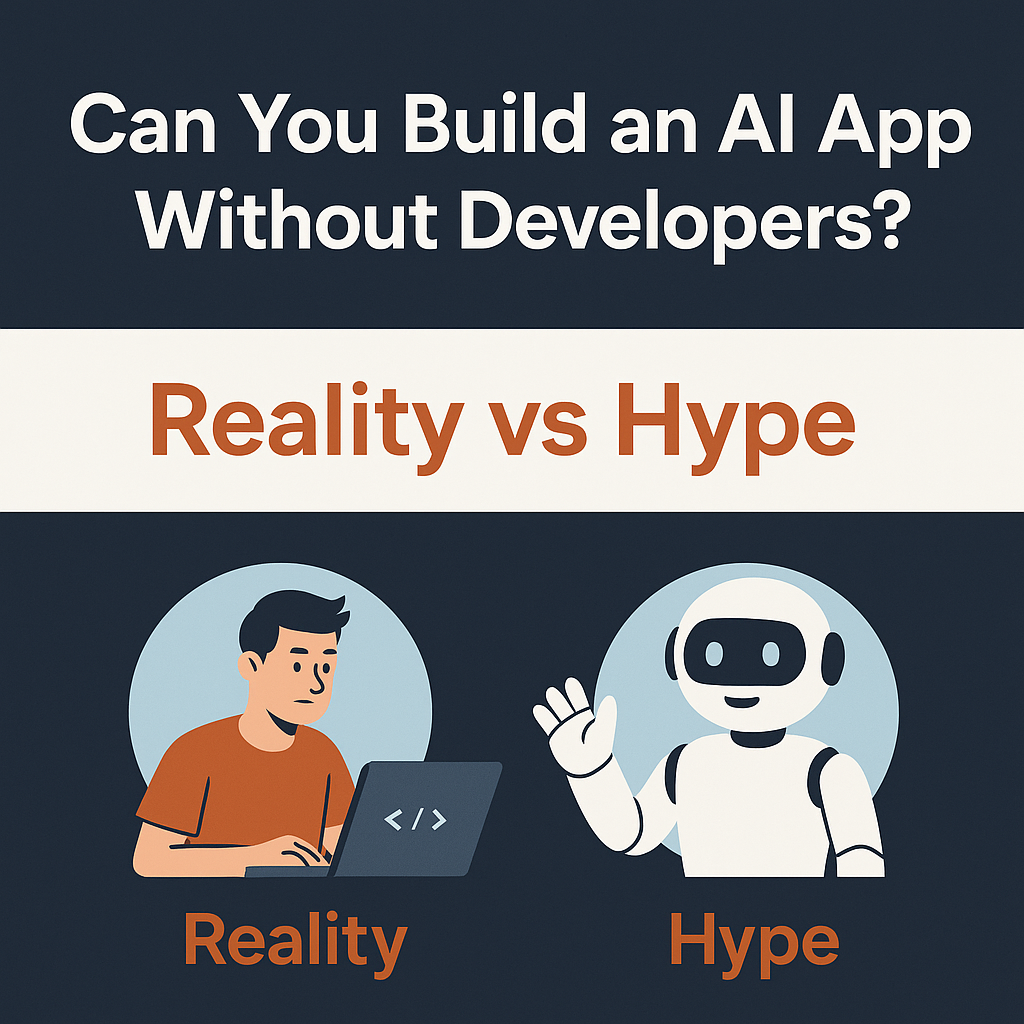
Can you really build an AI app without developers? Or are we mixing up demos, prototypes, and real production apps?
In this guide, we’ll separate what’s actually possible from what’s mostly hype — without trashing no-code tools or AI app builders. Some of them are genuinely useful. Some… not so much.
And most importantly, we’ll explain where AI fits, where developers still matter, and how to make smart decisions without getting stuck, locked-in, or disappointed later.
Let’s be honest: the motivation makes total sense.
Traditional app development has a reputation for being:
Expensive
Slow
Hard to manage
Dependent on technical teams
So when tools promise:
“No code AI app builder”
“Build an app with AI”
“AI app makers that do everything for you”
…it feels like a breakthrough moment.
This is the same excitement we saw years ago with:
Website builders
Drag-and-drop app builders
WordPress page builders
Some of those tools did change the world. Others oversold the dream.
AI app builders sit right in the middle of that story.
1. A chatbot or AI assistant
Often powered by GPT or similar models.
2. An app that uses AI
For recommendations, summaries, search, automation, etc.
3. A workflow tool with AI features
Forms, dashboards, automations, integrations.
4. A fully custom AI-powered product
With users, payments, data pipelines, and scale.
AI app builders are very good at #1 and #3, okay at #2, and struggle badly with #4.
That distinction matters more than any marketing headline.
AI app builders didn’t appear out of nowhere.
They exist because:
AI APIs (like OpenAI) became accessible
No-code tools matured
Businesses want faster validation
Founders want to test ideas without massive budgets
If you haven’t already, this article explains the trend really well:
👉 Why “AI App Makers” Are Trending — and What’s Actually Possible
That post covers why the demand exists. This one goes deeper into what actually works.
Let’s give credit where it’s due.
A no code AI app builder can be fantastic for:
You can:
Test an idea
Show investors a demo
Validate user interest
Explore AI workflows
All without hiring a developer on day one.
Dashboards, admin panels, internal automation tools — AI builders shine here.
Things like:
Text generation
Summarization
Classification
Chat interfaces
Especially when powered by existing AI APIs.
If you want to understand how AI fits into your product idea, these tools are a safe playground.
This is where the hype does match reality.
Now the uncomfortable part.
Most tools advertising “build an AI app without developers” quietly avoid talking about…
❌ Real Users
Authentication, permissions, user roles, account management.
❌ Payments & Subscriptions
Edge cases, failed payments, upgrades, refunds, app store policies.
❌ Performance & Scale
What happens when you go from 50 users to 5,000?
❌ Data Ownership
Where your data lives, who controls it, and how portable it is.
❌ Custom Logic
Business rules rarely fit into drag-and-drop blocks for long.
❌ App Store & Platform Rules
Especially relevant if your AI app becomes a mobile app.
This is where many founders hit a wall and think:
“It worked in the demo… why is everything breaking now?”
This is a subtle but crucial difference.
❌ Build an app with AI
Means AI magically replaces product strategy, architecture, and engineering.
That doesn’t exist.
✅ Build an app using AI
Means AI is a powerful component inside a real product.
That absolutely exists — and works best when combined with solid foundations.
Most successful AI products today are not built by AI alone. They’re built by teams who understand:
Product design
User experience
Data flow
Platform constraints
AI accelerates them — it doesn’t replace them.
Here’s the honest truth:
You can delay developers.
You can reduce developer hours.
You can simplify development.
But eliminating developers entirely? Only for very limited use cases.
Even the most popular AI app makers:
Rely on developers behind the scenes
Abstract complexity — they don’t remove it
Break when customization increases
This isn’t a failure of the tools. It’s the reality of software.
ShopApper exists because we’ve seen this pattern repeatedly:
Businesses start with builders and AI tools
They validate demand
They hit limits
They either rebuild everything or get stuck
Our stance has never been:
“Builders are bad.”
It’s:
“Builders are great — when paired with the right foundation.”
That’s why ShopApper focuses on:
Turning real websites into real apps
Keeping full control over data and logic
Avoiding locked-in dashboards
Supporting growth beyond MVPs
AI fits into that picture as an enhancer — not a shortcut that breaks later.
Short answer: sometimes.
Long answer:
Many AI app makers generate web apps
Some wrap them as mobile apps
Few handle real mobile behaviors well
Things like:
Push notifications
Offline support
App store compliance
Performance optimization
These still require structured systems.
One of the biggest risks with AI app builders is vendor lock-in.
Questions people forget to ask:
Can I export my data?
Can I move my app later?
Can developers take over if needed?
What happens if pricing changes?
Many tools don’t like answering those questions.
This is why “no code forever” often turns into “rebuild from scratch.”
Instead of asking:
“Can I build an AI app without developers?”
A better question is:
“Where do I want developers not involved — and where do I need them?”
Here’s a practical breakdown:
Phase 1: Idea & Validation
Use:
AI app builders
No-code tools
AI APIs
Goal: learn fast, fail cheap.
Phase 2: Real Users & Growth
Add:
Structured backend
Scalable architecture
Real app foundations
Goal: stability and trust.
Phase 3: Optimization & Expansion
Enhance with:
Custom AI features
Performance improvements
Platform-specific capabilities
Goal: differentiation.
AI fits beautifully in every phase — just not alone.
Here’s the good news.
AI is changing development — just not in the way headlines suggest.
What we’re seeing instead:
Fewer developers needed
Faster iteration
More product-focused teams
Less boilerplate work
This is a win for founders and businesses.
But the best products will still be:
Thoughtfully designed
Well-structured
Built to last
AI makes that easier — not automatic.
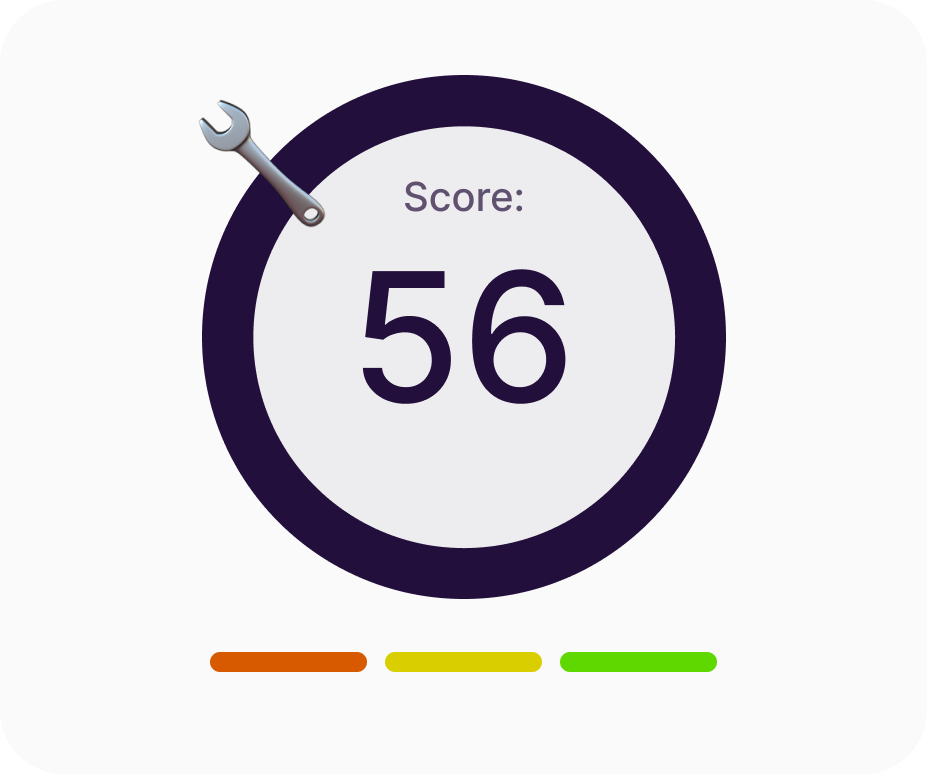
Answer a few quick questions and get a custom report on your app potential, missed opportunities, and where to level up.
Yes — for simple tools, demos, and experiments.
No — for serious, scalable, long-term products.
And that’s okay.
The goal isn’t to avoid developers forever.
The goal is to build smarter, spend wisely, and avoid painful rebuilds.
AI app builders are tools. Powerful ones.
But tools work best in the right hands — with the right expectations.
If you’re exploring AI app makers, no-code builders, or “build an app with AI” tools, you’re not late — you’re right on time.
Just don’t confuse speed with substance.
Build fast.
Validate early.
But plan like your product might actually succeed.
That’s where the real wins happen.
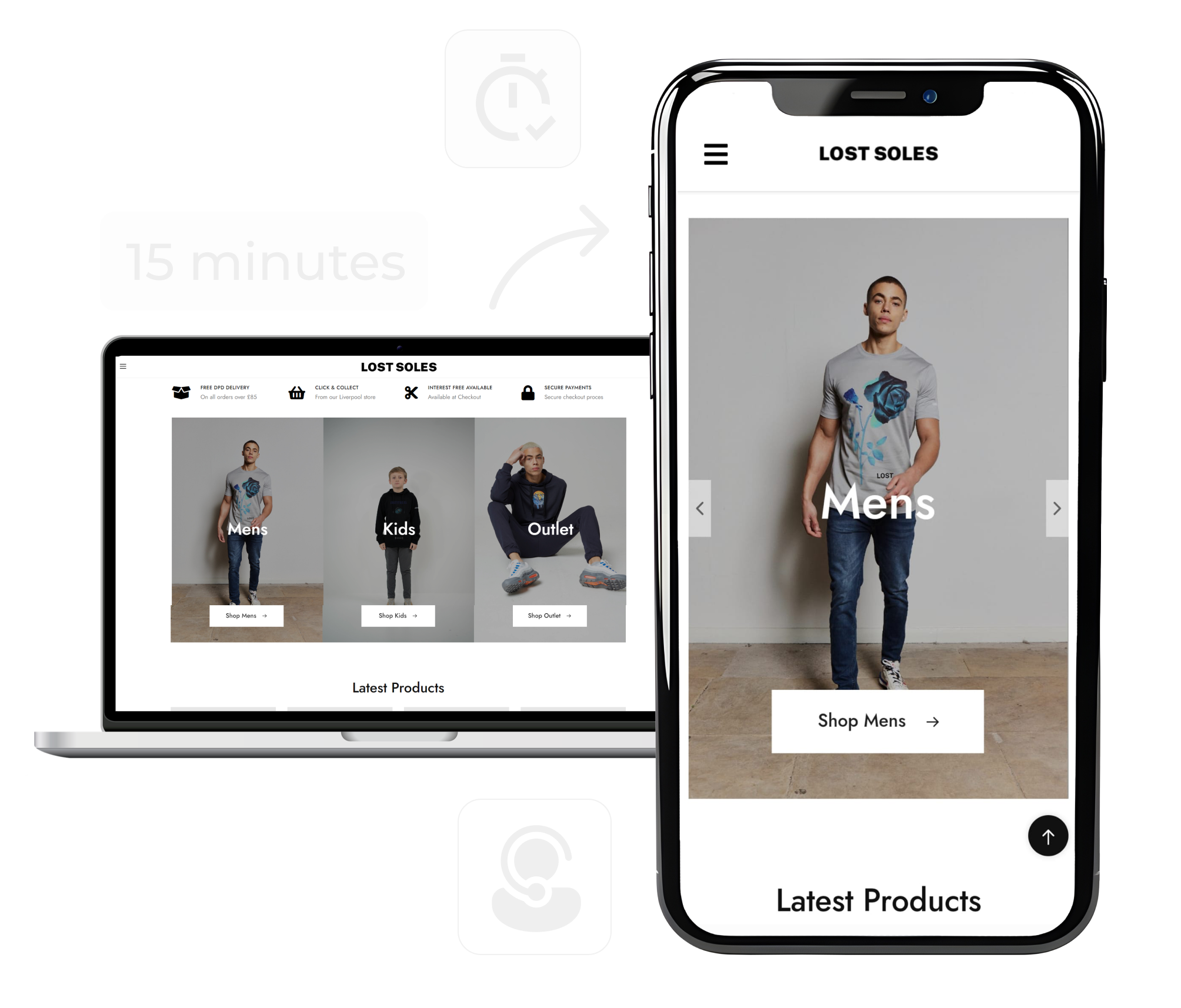
Take the first step toward an app for your online store. Schedule your free call and see how easy it is to get started with a full-service solution like ShopApper.
Features
Start By Industry



I’m Ece, your Account Manager. I’m eager to learn about your business and assist you in achieving your goals.
Please share some info about your business so I can be fully prepared to answer your queries. I’ll reply within 15-20 minutes. Thanks! 